Buy mindfuel.eu ?
We are moving the project
mindfuel.eu .
Are you interested in purchasing the domain
mindfuel.eu ?
domain@kv-gmbh.de · 0541-91531010
Buy mindfuel.eu ?
Does a magnetic ball really save energy when washing with the washing machine?
A magnetic ball is claimed to help reduce the amount of detergent needed when washing clothes in a washing machine. By using a magnetic ball, the water molecules are said to be activated, allowing for better cleaning power and reducing the need for additional detergent. While some users report positive results with using a magnetic ball, there is limited scientific evidence to support these claims. It is always recommended to follow the manufacturer's instructions for detergent usage to ensure proper cleaning and care for your clothes. **
Which of these washing cycles is energy-efficient?
The washing cycle that is most energy-efficient is the cold water cycle. Using cold water instead of hot water can significantly reduce the energy consumption of the washing machine, as it does not require the machine to heat the water. Additionally, using a shorter wash cycle and avoiding the use of a heated drying cycle can also contribute to energy efficiency. Overall, choosing a cold water cycle and shorter wash and dry times can help reduce the energy consumption of the washing machine. **


Similar search terms for Washing
Top-Angebote
Products related to Washing:
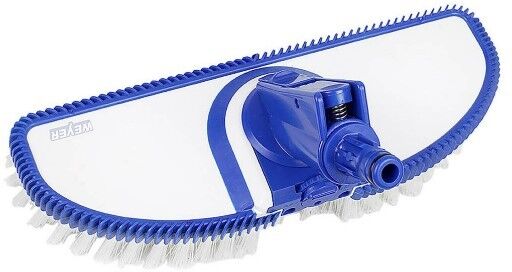

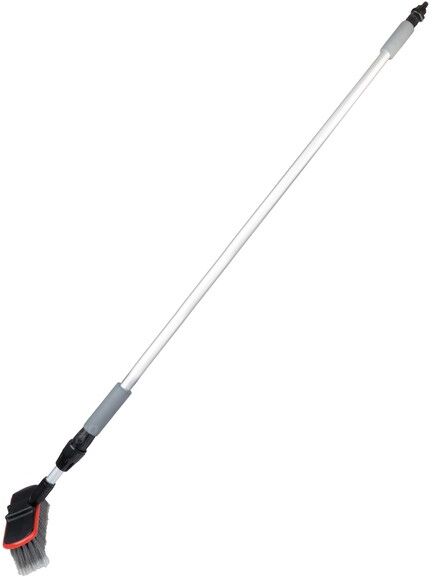
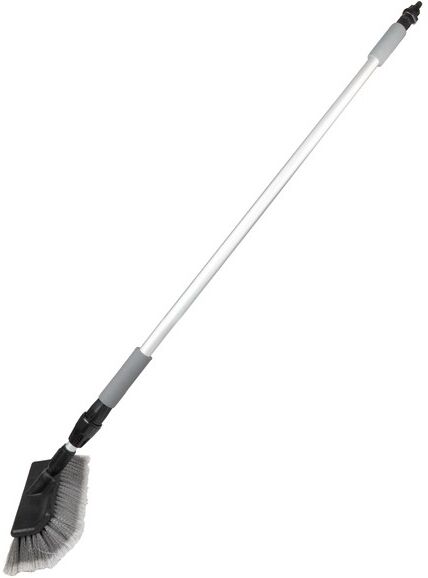
-
What is the energy class of the washing machine?
The energy class of the washing machine is A+++, which is the highest energy efficiency rating. This means that the washing machine is very energy efficient and will consume less electricity, helping to reduce energy costs and environmental impact. **
-
Why is the washing machine not washing?
The washing machine may not be washing due to a variety of reasons. It could be a problem with the power supply, a malfunctioning motor, a clogged water inlet valve, a faulty door latch, or a problem with the control board. Additionally, issues with the water level sensor, the drive belt, or the agitator could also be causing the washing machine to not wash properly. It is important to troubleshoot and identify the specific issue in order to effectively address the problem and get the washing machine working again. **
-
Why doesn't the washing machine stop washing?
The washing machine may not stop washing due to a malfunctioning timer or control board. If the timer or control board is faulty, it may not be sending the signal to stop the washing cycle. Additionally, a problem with the water inlet valve or pressure switch could also cause the washing machine to continue washing. It is important to troubleshoot and address these issues promptly to prevent further damage to the washing machine. **
-
Which washing cycle in the washing machine is best for washing curtains yourself?
For washing curtains yourself, the gentle or delicate cycle is usually the best option in a washing machine. This cycle uses less agitation and lower spin speeds, which helps prevent damage to the fabric of the curtains. It is important to also use a mild detergent and cold water to further protect the curtains during the washing process. Additionally, it is recommended to hang the curtains to air dry instead of using a dryer to avoid shrinking or damaging the fabric. **


What is the energy consumption of a pre-programmed washing machine?
A pre-programmed washing machine typically consumes around 0.2 to 0.3 kilowatt-hours (kWh) of energy per load. This energy is used for various functions such as heating water, running the motor, and operating the control panel. The actual energy consumption can vary depending on the size of the load, the temperature setting, and the specific cycle selected. Overall, pre-programmed washing machines are designed to be energy-efficient compared to older models, helping to reduce electricity usage and lower utility bills. **
How can the energy consumption of a washing machine be measured?
The energy consumption of a washing machine can be measured using a watt-hour meter, which is a device that measures the amount of electricity consumed over a period of time. To measure the energy consumption of a washing machine, the watt-hour meter is plugged into the same electrical outlet as the washing machine, and the machine is then operated through a full cycle. The watt-hour meter will then display the total amount of electricity consumed during the cycle, providing an accurate measurement of the washing machine's energy consumption. **
Top-Angebote
Products related to Washing:
-
Does a magnetic ball really save energy when washing with the washing machine?
A magnetic ball is claimed to help reduce the amount of detergent needed when washing clothes in a washing machine. By using a magnetic ball, the water molecules are said to be activated, allowing for better cleaning power and reducing the need for additional detergent. While some users report positive results with using a magnetic ball, there is limited scientific evidence to support these claims. It is always recommended to follow the manufacturer's instructions for detergent usage to ensure proper cleaning and care for your clothes. **
-
Which of these washing cycles is energy-efficient?
The washing cycle that is most energy-efficient is the cold water cycle. Using cold water instead of hot water can significantly reduce the energy consumption of the washing machine, as it does not require the machine to heat the water. Additionally, using a shorter wash cycle and avoiding the use of a heated drying cycle can also contribute to energy efficiency. Overall, choosing a cold water cycle and shorter wash and dry times can help reduce the energy consumption of the washing machine. **
-
What is the energy class of the washing machine?
The energy class of the washing machine is A+++, which is the highest energy efficiency rating. This means that the washing machine is very energy efficient and will consume less electricity, helping to reduce energy costs and environmental impact. **
-
Why is the washing machine not washing?
The washing machine may not be washing due to a variety of reasons. It could be a problem with the power supply, a malfunctioning motor, a clogged water inlet valve, a faulty door latch, or a problem with the control board. Additionally, issues with the water level sensor, the drive belt, or the agitator could also be causing the washing machine to not wash properly. It is important to troubleshoot and identify the specific issue in order to effectively address the problem and get the washing machine working again. **
Similar search terms for Washing
-
Why doesn't the washing machine stop washing?
The washing machine may not stop washing due to a malfunctioning timer or control board. If the timer or control board is faulty, it may not be sending the signal to stop the washing cycle. Additionally, a problem with the water inlet valve or pressure switch could also cause the washing machine to continue washing. It is important to troubleshoot and address these issues promptly to prevent further damage to the washing machine. **
-
Which washing cycle in the washing machine is best for washing curtains yourself?
For washing curtains yourself, the gentle or delicate cycle is usually the best option in a washing machine. This cycle uses less agitation and lower spin speeds, which helps prevent damage to the fabric of the curtains. It is important to also use a mild detergent and cold water to further protect the curtains during the washing process. Additionally, it is recommended to hang the curtains to air dry instead of using a dryer to avoid shrinking or damaging the fabric. **
-
What is the energy consumption of a pre-programmed washing machine?
A pre-programmed washing machine typically consumes around 0.2 to 0.3 kilowatt-hours (kWh) of energy per load. This energy is used for various functions such as heating water, running the motor, and operating the control panel. The actual energy consumption can vary depending on the size of the load, the temperature setting, and the specific cycle selected. Overall, pre-programmed washing machines are designed to be energy-efficient compared to older models, helping to reduce electricity usage and lower utility bills. **
-
How can the energy consumption of a washing machine be measured?
The energy consumption of a washing machine can be measured using a watt-hour meter, which is a device that measures the amount of electricity consumed over a period of time. To measure the energy consumption of a washing machine, the watt-hour meter is plugged into the same electrical outlet as the washing machine, and the machine is then operated through a full cycle. The watt-hour meter will then display the total amount of electricity consumed during the cycle, providing an accurate measurement of the washing machine's energy consumption. **
* All prices are inclusive of VAT and, if applicable, plus shipping costs. The offer information is based on the details provided by the respective shop and is updated through automated processes. Real-time updates do not occur, so deviations can occur in individual cases. ** Note: Parts of this content were created by AI.